FIFA World Cup 2026 Opening Match: Date, Venue and TV Coverage
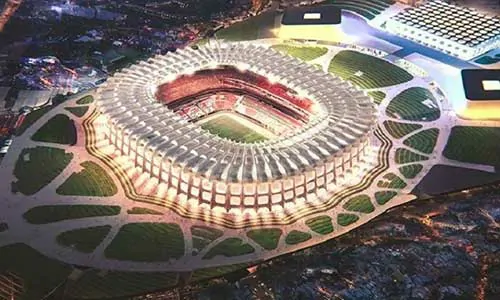
Table of Contents
- The Dawn of a New Era: FIFA World Cup 2026 Kickoff
- The Opening Match: Date, Kickoff Time, and Teams
- The Iconic Venue: Estadio Azteca (Mexico City Stadium)
- How to Watch: TV Coverage & Live Streaming Guide
- The Grand Opening Ceremony: Performers & Showtimes
- World Cup Glory vs. Ballon d’Or Winners Ranked
- Future Ballon d’Or Candidates Born in the Opening Match
- Frequently Asked Questions (FAQ)
The wait is finally over. The 2026 FIFA World Cup, the largest and most ambitious edition in the history of international soccer, has officially arrived in North America. Spanning three host nations—Canada, Mexico, and the United States—this groundbreaking tournament features an expanded format of 48 teams competing across 104 matches. As the global spotlight turns to this monumental sports festival, soccer fans are eagerly looking back at history while anticipating the rise of new legends, joining the elite icons featured in the ultimate list of Ballon d’Or Winners Ranked.
With more teams, more venues, and unprecedented global interest, the tournament’s opening fixture acts as the crucial gateway to a summer of high-stakes drama. This comprehensive guide covers everything you need to know about the highly anticipated FIFA World Cup 2026 opening match, including the official date, the legendary venue, kickoff times, the spectacular opening ceremony, and global TV broadcast details.
The Opening Match: Date, Kickoff Time, and Teams
The highly anticipated opening fixture of the 23rd FIFA World Cup took place on Thursday, June 11, 2026. Carrying on the tradition of celebrating the host nations, the tournament started in spectacular fashion with co-hosts Mexico kicking off Group A. The opening encounter saw Mexico face off against South Africa in a historic, highly competitive battle.
For global viewers planning their schedules, local kickoff times were set to maximize accessibility for live audiences across multiple time zones. The match officially kicked off at 13:00 local time (CST). Below is a practical breakdown of how that translates to other major global regions:
| Region / Time Zone | Local Kickoff Time |
|---|---|
| Mexico City (Local – CST) | 1:00 PM (13:00) |
| Eastern Time (US & Canada – ET) | 3:00 PM (15:00) |
| Greenwich Mean Time (GMT / UTC) | 7:00 PM (19:00) |
| Central European Time (CET) | 9:00 PM (21:00) |
| Indian Standard Time (IST) | 12:30 AM (June 12) |
Consequently, fans from every corner of the world adjusted their routines to witness this historic curtain-raiser. Opening matches are historically unpredictable, often setting a unique tone for the rest of the group stage. Therefore, having a clear grasp of the schedule is essential for any serious football enthusiast.
The Iconic Venue: Estadio Azteca (Mexico City Stadium)
When selecting the stage for this historic opening match, FIFA turned to one of the most revered cathedrals of world football: the Estadio Azteca, officially referred to as the Mexico City Stadium for the tournament. Located in the heart of Mexico City, this colossal venue boasts a seating capacity of over 83,000, promising an electric, intimidating atmosphere for visiting teams.
With this kickoff, the Estadio Azteca made history by becoming the first stadium in the world to host matches in three separate FIFA World Cup tournaments, having previously served as the centerpiece for the 1970 and 1986 editions. The legendary stadium has seen the crowning of football royalty, many of whom are prominent in any database of Ballon d’Or Winners Ranked.
Moreover, the pitch at Azteca has hosted some of the sport’s most unforgettable moments, including Diego Maradona’s famous “Hand of God” and “Goal of the Century” against England in 1986. Pelé and Diego Maradona, though playing in eras where non-European players were ineligible for the award initially, were later recognized with honorary awards, cementing their status alongside other Ballon d’Or Winners Ranked.
For the 2026 edition, the venue underwent extensive modernization to meet strict contemporary standards, upgrading its seating, hospitality zones, and media boxes while carefully preserving its unmatched historical charm. As a result, players stepping onto the field on June 11 did not just play a match; they walked in the footsteps of giants.
How to Watch: TV Coverage & Live Streaming Guide
Given the global scale of the tournament, broadcasting rights for the 2026 World Cup have been distributed to premier networks across the globe. Fans can catch the action through traditional cable TV, free-to-air local channels, or modern digital streaming platforms. Here is a comprehensive overview of the primary broadcasters for the opening match and the rest of the tournament:
United States Broadcast Details
In the United States, English-language television coverage is exclusively managed by FOX Sports, with the opening match airing live on the main FOX network. Spanish-language viewers can enjoy complete, high-quality coverage via Telemundo and Universo.
For digital cord-cutters, several active streaming choices exist. Every match can be streamed on-demand or live through the FOX Sports App. Meanwhile, Spanish streams are hosted on Peacock. Subscription services such as Fubo TV, YouTube TV, and Hulu + Live TV also carry FOX and Telemundo, providing seamless access. For select free-to-watch fixtures, Fox also utilizes its ad-supported streaming platform, Tubi.
Canada Broadcast Details
As co-hosts, Canada provides thorough national coverage. English-language broadcasts are split between TSN (The Sports Network) and CTV. French speakers can watch the action with native commentary on RDS. Streaming access is available through the official TSN and CTV digital platforms.
United Kingdom & European Broadcast Details
In the United Kingdom, terrestrial giants BBC and ITV continue their long-standing partnership. They share the broadcasting duties for the entire 104-match tournament, making the opening fixture free-to-air for British residents. Live streaming is available via the BBC iPlayer and ITVX streaming applications. For continental Europe, major national networks such as TF1 (France), ARD/ZDF (Germany), and RTVE (Spain) provide comprehensive television and digital streaming options.
International Broadcasters at a Glance
To help you quickly locate the correct channel in your region, we have compiled a quick-reference directory for key international markets:
| Country | TV Broadcast Network | Official Live Stream App |
|---|---|---|
| United States | FOX, FS1, Telemundo, Universo | Peacock, Fubo, Tubi, FOX Sports App |
| Canada | CTV, TSN, RDS | TSN App, CTV Digital |
| United Kingdom | BBC, ITV | BBC iPlayer, ITVX |
| India | Zee (Unite8 Sports) | Zee5 App |
| Australia | SBS | SBS On Demand |
Furthermore, local agreements with social media platforms like TikTok and YouTube allow broadcasters to share select highlights, immediate game recaps, and interactive content directly to fans on their smartphones.
The Grand Opening Ceremony: Performers & Showtimes
Before the players took the pitch, the tournament opened with a vibrant, star-studded opening ceremony designed by renowned Italian creative director Marco Balich. Scheduled to begin approximately 90 minutes before kickoff, the spectacle celebrated the rich cultural heritage of the host nations, blending indigenous traditions with modern pop energy.
The ceremony at Estadio Azteca featured global superstars Shakira and Burna Boy, who delivered an energetic performance of the official World Cup track “Dai Dai”. Additionally, several regional and international acts joined the stage to showcase North American culture, including:
- Maná, performing their iconic hit “Oye Mi Amor” surrounded by indigenous Mexican dancers.
- Danny Ocean, delivering a stylized performance of “Partidazo” alongside traditional dancers.
- Belinda and Los Ángeles Azules, collaborating on a memorable rendition of “Por Ella” featuring stylized Charro costumes.
In addition, the 2026 event took a unique approach by holding separate, localized opening ceremonies in Canada (at Toronto Stadium) and the United States (at SoFi Stadium in Los Angeles) on June 12, celebrating the diverse cultural mosaic of all three co-hosts. This approach ensured that each nation got to stamp its identity on the tournament from day one.
World Cup Glory vs. Ballon d’Or Winners Ranked: Who Will Shine in 2026?
While team glory is always the ultimate objective, the World Cup remains the single most influential stage for individual legacy. Throughout the history of football, individual accolades have always been tied to this tournament, especially when we evaluate how Ballon d’Or Winners Ranked throughout history achieved their status.
A spectacular run in a World Cup summer can transform a world-class player into an immortal legend. Therefore, a player’s standing among the Ballon d’Or Winners Ranked can skyrocket after a spectacular summer in North America. Historically, the players who dominate the World Cup are almost guaranteed to secure the Golden Ball later that year.
Analyzing the Elite: How World Cup Stars Align with Ballon d’Or Winners Ranked
Indeed, looking at the history of Ballon d’Or Winners Ranked, many of the highest-rated players secured their golden ball in a World Cup year. For instance, legends like Bobby Charlon (1966), Paolo Rossi (1982), Lothar Matthäus (1990), and Fabio Cannavaro (2006) used their iconic international performances to seal their place at the absolute peak of individual recognition.
Zinedine Zidane’s legendary status on any list of Ballon d’Or Winners Ranked is largely due to his iconic performances in 1998, where his brace in the final secured France’s first-ever star. On the other hand, some of the most dominant club players have seen their rankings slip when unable to replicate that success on the global stage. Conversely, modern legends who missed out on World Cup trophies still find themselves highly positioned among Ballon d’Or Winners Ranked due to their relentless club dominance, though a World Cup medal remains the ultimate career crown.
Consider the modern era: Lionel Messi’s historic eighth Ballon d’Or win was almost entirely fueled by his fairytale World Cup victory in Qatar. This shows that no matter how dominant a player is in the UEFA Champions League or domestic leagues, the World Cup is the ultimate tiebreaker.
Future Ballon d’Or Candidates Born in the Opening Match
With 48 teams competing, the 2026 tournament is a goldmine for young talent eager to make their mark on a global scale. The opening match at the Azteca represents a high-pressure environment that tests a player’s temperament under extreme scrutiny.
Why Future Ballon d’Or Winners Ranked Might Emerge from the 2026 Opening Match
This is where future superstars prove they belong alongside the historic Ballon d’Or Winners Ranked. When analysts look back at this tournament to see how the next generation of Ballon d’Or Winners Ranked was forged, the opening match will be the starting point.
A strong showing in the opening match and subsequent games can turn a young star into a household name, paving their way to the top of the Ballon d’Or Winners Ranked list. While we wait for the matches to unfold, let’s explore how the current active players compare to the Ballon d’Or Winners Ranked over the last two decades. The debate over who is the greatest of all time is deeply intertwined with how we see the Ballon d’Or Winners Ranked.
With Messi and Ronaldo entering the twilight of their careers, the 2026 World Cup is the perfect stage for a new hero to claim their place among the Ballon d’Or Winners Ranked. Superstars like Kylian Mbappé, Erling Haaland, Vinicius Júnior, and Jude Bellingham understand that a career-defining performance in North America is their ticket to individual immortality.
Frequently Asked Questions (FAQ)
Conclusion: A Historic Journey Begins
The FIFA World Cup 2026 opening match on June 11 set a thrilling standard for what promises to be an unforgettable tournament across North America. From the historic pitch of the Estadio Azteca to the millions tuning in from home via global networks like FOX, BBC, and CTV, the world is united by the beautiful game. As we follow the action through to the final on July 19, we will not only witness who walks away with the iconic trophy but also who stakes their claim to the future Ballon d’Or titles.
For more detailed breakdowns, real-time match results, and official updates, make sure to visit the Official FIFA Website and track the historical context of this 23rd edition on the 2026 FIFA World Cup on Wikipedia. Where will you be watching the next matches? Let us know in the comments below, and don’t forget to share this guide with your fellow soccer fans!